
Combine Products into Cohesive E-commerce Visuals
Bring separate branded product references into one coherent listing scene with consistent scale, lighting, hierarchy, and merchandising intent.
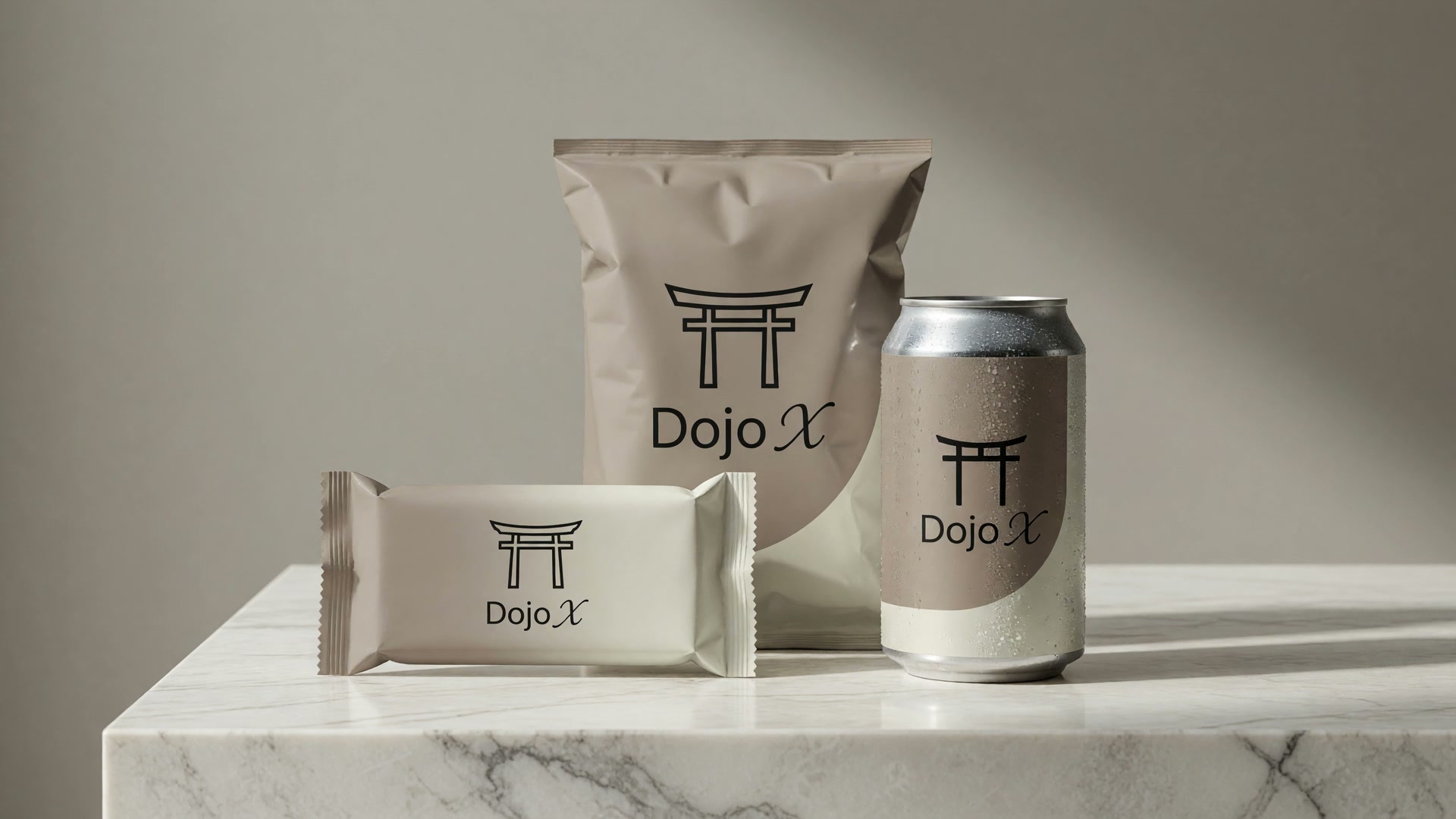
E-commerce teams often inherit product assets made at different times, from different angles, and under different lighting. Dojo can bring those separate references into one cohesive composition for a bundle, collection, cross-sell, gift guide, or launch concept.
The goal is not to place objects beside each other mechanically. A useful combined image gives the products one visual world: consistent perspective, believable scale, shared lighting, clear hierarchy, and enough space for the intended placement.
Begin with the merchandising job
Decide what the image must communicate. A bundle should make every included item identifiable. A category hero may prioritize one lead product and use the others as supporting context. A gift guide may need warmth and discovery, while a premium collection may need restraint and negative space.
Collect clear references and identify what cannot change: packaging color, shape, label position, logo, product scale, included accessories, and the relationship between items. Place the base composition first, then add each product as a preserved reference rather than attempting to recreate branded packaging from words.
Create one scene, then inspect every product
Choose a surface and lighting direction that can plausibly unify the references. Establish the hero product, supporting products, and intended crop. Review overlaps, implausible scale, obscured labels, and props that might be mistaken for included items.
Work in focused passes: placement, shared lighting, packaging fidelity, then styling. Check the final image at mobile size, where a complicated arrangement can become unreadable.
When motion is useful, keep it restrained—a slow push, a gentle reveal, or a small change in light. The still remains the merchandising reference; motion supports the campaign story.
Cohesion must not outrun accuracy
Verify product names, visible claims, logos, packaging proportions, colors, quantities, and included contents against approved materials. A polished image is not evidence that fine text or a commercial claim is correct.
Clearly distinguish concept bundles from purchasable kits. Do not imply a partnership, endorsement, promotion, or co-branded offer without authorization. If props appear, make sure customers cannot mistake them for included products.
Pair campaign visuals with accurate product descriptions, official pack photography, dimensions, variants, price, and availability wherever a purchase decision is being made.
One clean listing from separate references
Product combination turns disconnected source assets into a clear retail story. Start with the merchandising objective, preserve the product details that matter, establish one believable visual world, and review every item against approved information.
The best result is more than attractive. It helps customers understand why the products belong together and what, exactly, they are being invited to consider.