Virtual Fashion Try-On: From Garment Reference to Motion
Fit a garment reference to a person, preserve recognizable identity and proportions, refine the look, and carry the approved still into motion.
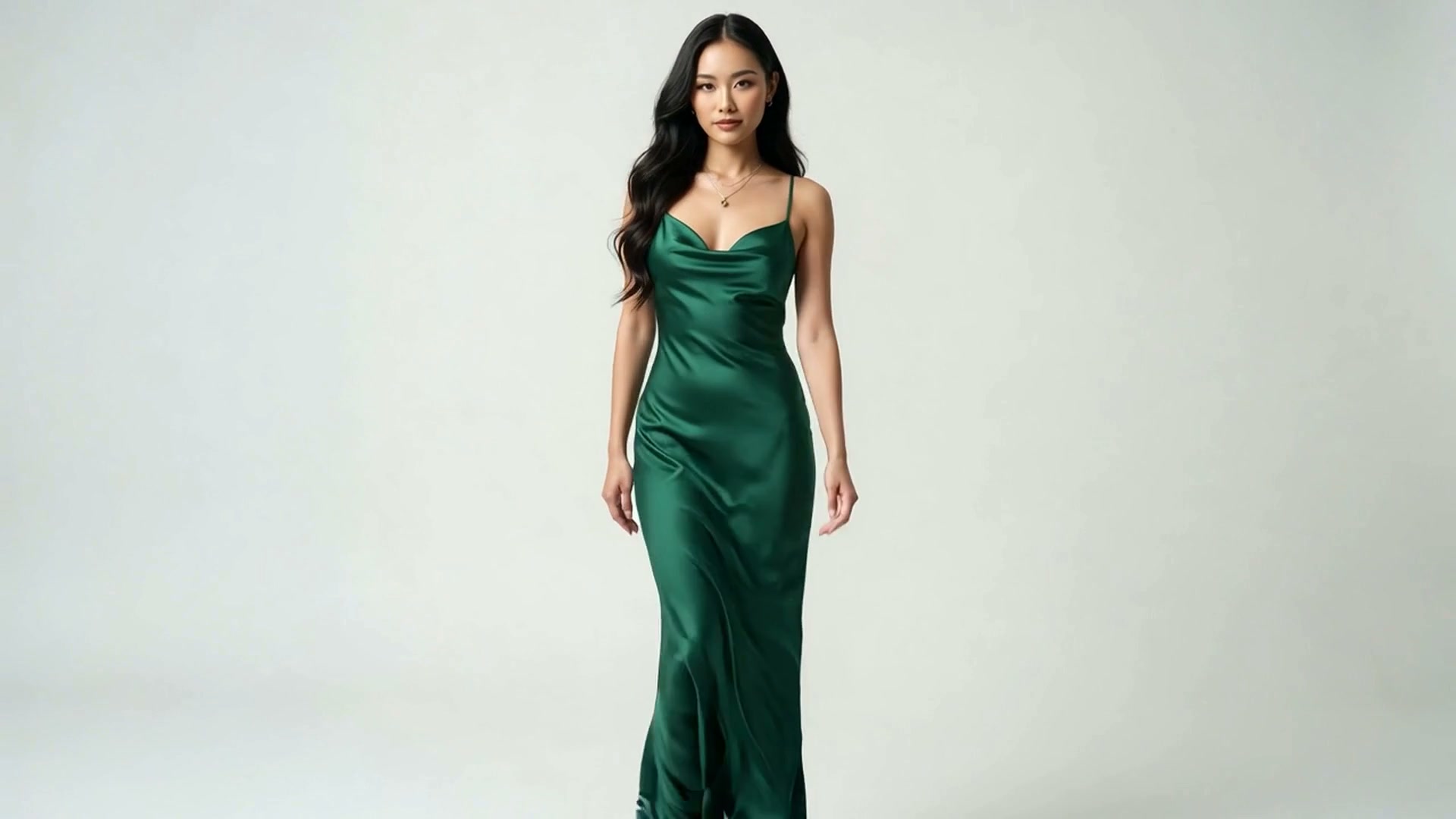
Fashion ideas move faster when a team can show the look instead of describing it. Dojo’s virtual try-on workflow begins with two real references: a clear image of the person and a clear image of the garment. The goal is to apply the garment while keeping the person recognizable—their face, hair, body proportions, pose, and overall presence remain the anchor.
The result is useful for campaign concepts, lookbooks, styling reviews, pitch decks, and early creative decisions. It is not a sizing guarantee or a substitute for approved product photography. It is a fast way to move from “what if?” to a visual that a team can inspect together.
Start with references that explain the brief
Use a person image with a visible face, clear pose, and enough body detail to understand the intended fit. Use a garment reference that shows color, material, silhouette, neckline, sleeves, closures, pattern, and branding as clearly as possible.
Reference order matters: the person is the base; the garment supplies the clothing. State what must remain unchanged and describe only the intended wardrobe change. This keeps the work grounded in the actual source instead of generating a stranger in a vaguely similar outfit.
Before the first pass, decide what matters most: exact garment identity, a particular editorial mood, full-body presentation, studio framing, or motion for a social campaign.
Refine the still before adding motion
Review the first output against both references. Is the person still recognizable? Does the pose remain natural? Are the garment’s main visual cues present? Does the fabric drape plausibly around the body rather than floating above it?
Revise one issue at a time. Adjust the fit, then the lighting, then the setting or framing. Focused passes are easier to judge than one enormous prompt that changes everything.
Once the still is approved, use it as the source for motion. A short walk, gentle turn, fabric movement, or restrained camera move can make the concept feel campaign-ready without overwhelming the identity and garment you worked to preserve.
Where virtual try-on helps
A boutique can preview a seasonal look before a full shoot. A stylist can present several directions to a client. A startup can explore casting, color stories, and settings. A creator can turn one approved fashion still into a short moving moment.
The strongest use cases are honest about the asset. Virtual try-on supports creative exploration and campaign storytelling. It should not be presented as proof of exact sizing, physical fit, stitching, construction, inventory, or manufactured color. Fine logos, jewelry, prints, and accessories require careful review.
Use authorized images of people and garments, and obtain appropriate consent for public use. Never use the workflow to imply an endorsement or commercial relationship that does not exist.
See the fit before the shoot
Virtual fashion try-on gives teams a faster visual conversation. Begin with strong references, identify what must stay consistent, refine the still in deliberate passes, and add motion only when it strengthens the story.
The result is not a replacement for every traditional production step. It is a powerful way to make direction visible early—while there is still time to change the idea, improve the styling, and choose what deserves a full campaign investment.